 Pin This
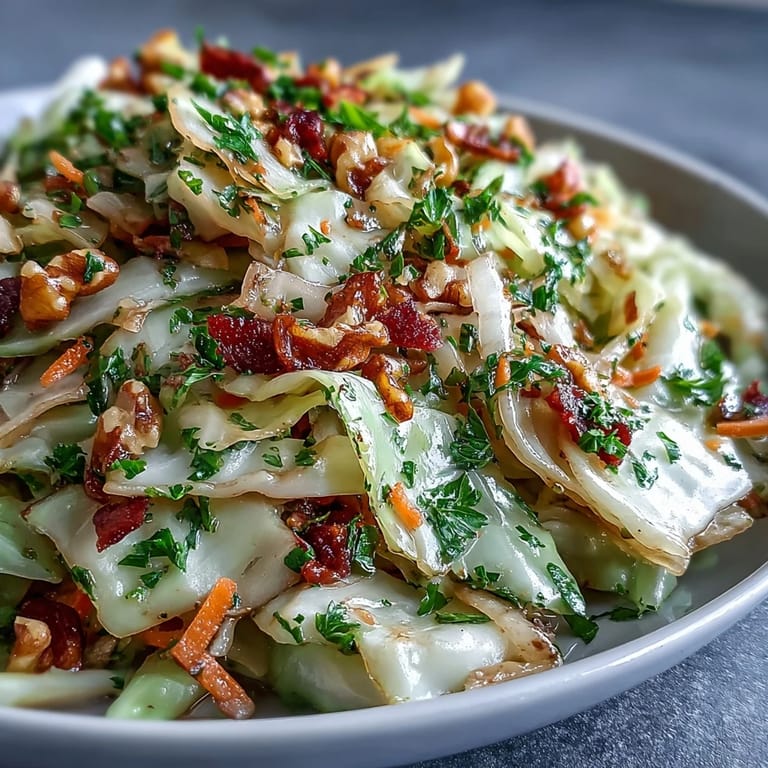
 My neighbor brought over a warm cabbage salad last summer, still steaming from her kitchen, and I realized I'd been treating cabbage like a supporting character when it deserved the spotlight. The way the heat softened it just enough while keeping that subtle crunch felt revolutionary—nothing like the raw slaws I'd always assumed were mandatory. That afternoon, I started experimenting with sautéing cabbage instead, and this version became the one I return to whenever I want something that feels both comforting and bright.
I made this for a potluck where everyone brought salads, and this warm cabbage dish sat there mostly untouched while people eyed it cautiously—until someone finally tried it and went back for thirds. Watching skeptics become converts over one bite reminded me that the best meals are the ones that surprise you, and cabbage, when treated right, has that power.
Ingredients
- 1 medium green cabbage (about 900 g), cored and thinly sliced: The foundation of this dish; slice it thin enough to cook through quickly but thick enough to hold its shape and texture.
- 1 large carrot, peeled and julienned: Adds natural sweetness and a delicate crunch that balances the tender cabbage beautifully.
- 1 small red onion, thinly sliced: Raw red onion brings a sharp, peppery edge that cuts through the richness of the oil.
- 1 red bell pepper, thinly sliced: Provides brightness and a slight vegetal sweetness without overpowering the other flavors.
- 2 tbsp fresh parsley, chopped: Finish with fresh parsley for a grassy herbaceous note that makes the whole salad feel alive.
- 3 tbsp extra-virgin olive oil: Use good quality oil here; half goes into sautéing, half into the dressing where it truly matters.
- 2 tbsp apple cider vinegar: The tanginess is essential—it's what makes people pause and ask what you did differently.
- 1 tbsp Dijon mustard: This isn't for mustard flavor; it emulsifies the dressing and adds a subtle depth that keeps everything from tasting flat.
- 1 tsp honey or maple syrup: A whisper of sweetness that rounds out the sharp vinegar and makes the dressing feel complete.
- 1/2 tsp sea salt and 1/4 tsp freshly ground black pepper: Taste as you go; these amounts are a starting point, not a hard rule.
- 1/4 cup toasted walnuts or sunflower seeds (optional): Toasting them yourself changes everything—they smell incredible and add a textural surprise at the end.
- 30 g feta cheese, crumbled (optional): If you use it, crumble it just before serving so it stays bright and distinct.
Tired of Takeout? 🥡
Get 10 meals you can make faster than delivery arrives. Seriously.
One email. No spam. Unsubscribe anytime.
Instructions
- Heat your skillet and prep the cabbage:
- Pour 1 tablespoon of olive oil into a large skillet over medium-high heat and let it shimmer for a moment—you'll hear a subtle sizzle when you add the cabbage. Add your thinly sliced cabbage and stir frequently for 4–5 minutes until it's just tender but still vibrant green, not wilted into submission.
- Move the warm cabbage to your bowl:
- Transfer the sautéed cabbage to a large mixing bowl while it's still warm; this is when it's most receptive to soaking up flavors. Don't wait for it to cool completely.
- Combine your vegetables:
- Add the julienned carrot, sliced red onion, bell pepper, and fresh parsley to the warm cabbage and give everything a gentle toss. The warmth will slightly soften the raw vegetables without cooking them completely.
- Make the dressing:
- In a small bowl, whisk together the remaining 2 tablespoons of olive oil, apple cider vinegar, Dijon mustard, honey, salt, and pepper until the mixture looks glossy and emulsified. You're looking for that moment when it all comes together into something cohesive rather than separated.
- Dress and meld:
- Pour the dressing over the vegetables and toss thoroughly, making sure every piece gets coated. Let everything rest for 5 minutes so the flavors can find each other and settle into the warm vegetables.
- Finish and serve:
- Top with toasted walnuts or sunflower seeds and crumbled feta if you're using them. Serve warm or at room temperature, depending on your mood and the weather.
 Pin This
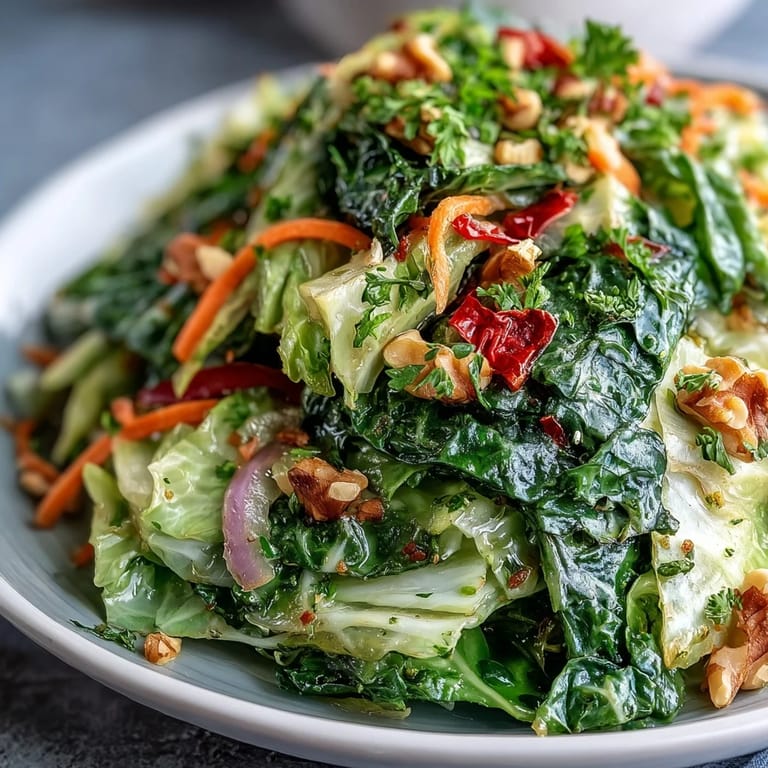
 There's a moment, about three minutes after you pour the warm dressing over these vegetables, when you lean over the bowl and the smell hits you—vinegar, mustard, the herbaceous warmth of parsley, all of it mingling together—and you know this simple combination has become something worthy of the fuss. That's the moment I knew this salad deserved a permanent place in my rotation.
When Temperature Matters
Serving this salad warm is different from serving it cold, and both have their place depending on what you're craving. Warm, the cabbage is tender and the dressing feels like it's embracing everything; at room temperature, the vegetables firm up slightly and the flavors become more defined and assertive. I've learned to make it the way the meal demands rather than sticking to one version out of habit.
Customizing Without Losing the Plot
The beauty of this salad is that it's flexible enough to handle changes without falling apart. You can add shredded apple or radishes for extra crunch, swap the walnuts for whatever nuts you have on hand, or skip the cheese entirely if you're keeping it vegan. The core idea—sautéed cabbage plus bright dressing—is what makes it work, and everything else is just finding what feels right for your table.
Storage and Serving Suggestions
This salad keeps well for up to two days in the refrigerator, which is rare for salads because the sautéed cabbage doesn't wilt into sadness like raw vegetables do. When you're ready to eat leftovers, let it come to room temperature first; cold dressing stiffens and loses its character, and the whole experience improves if you give it a few minutes to wake up. If you're serving this alongside grilled chicken or roasted salmon, you've got a meal that feels both simple and intentional.
- Toss in toasted nuts or seeds just before serving so they stay crunchy rather than softening into the dressing.
- If the dressing seems too thick when you reheat, whisk in a teaspoon of water to loosen it back up.
- Make the dressing separately if you're preparing this ahead, and combine everything just before guests arrive for the freshest presentation.
 Pin This
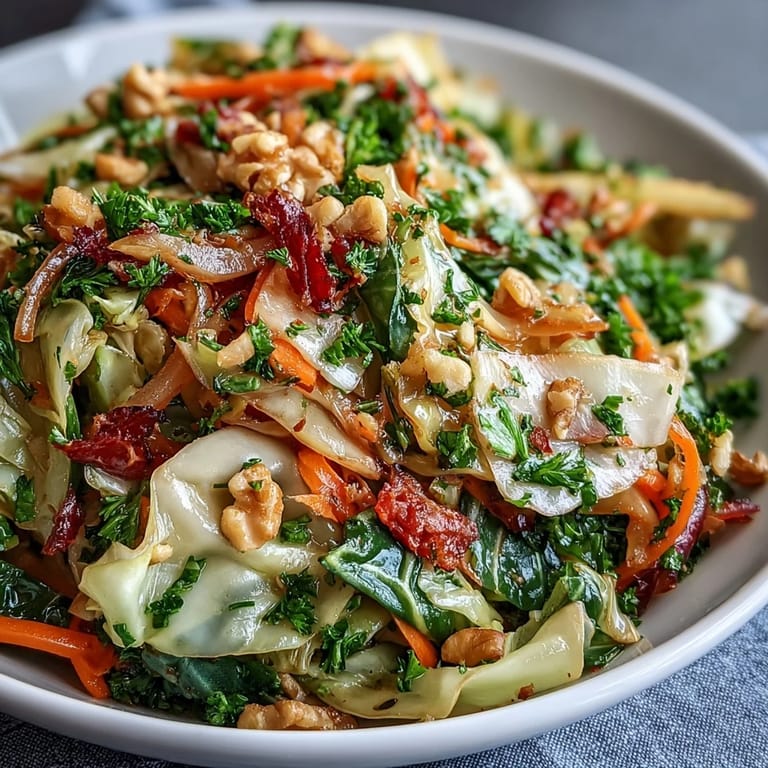
 This warm cabbage salad has become my answer to the question of what to bring when I want people to actually eat what's on the table. It's proof that simple vegetables, treated with intention and a little heat, can absolutely hold their own.
Recipe Questions & Answers
- → Can I serve this cabbage salad cold?
Yes, while designed to be served warm or at room temperature, you can refrigerate leftovers for up to 2 days. Bring to room temperature before serving for the best flavor and texture.
- → What vegetables work well as additions?
Thinly sliced radishes, shredded apple, or julienned beets complement the existing vegetables beautifully. They add extra crunch and vibrant color to the warm salad base.
- → How do I make this fully vegan?
Replace the honey with maple syrup and omit the feta cheese topping. The remaining ingredients are naturally plant-based, making this easily adaptable for vegan diets.
- → Can I use different types of cabbage?
While green cabbage works best for its mild flavor and tender texture, you can substitute with savoy cabbage for more delicate leaves or Napa cabbage for a slightly sweeter profile.
- → What proteins pair well with this salad?
Grilled chicken, roasted salmon, or pan-seared tofu complement the tangy, warm flavors. The salad also stands alone as a satisfying vegetarian main when topped with walnuts.
- → Should I remove the cabbage from heat immediately?
Yes, sauté for just 4-5 minutes until tender but still vibrant. Overcooking will make the cabbage mushy and lose its pleasant texture in the finished dish.