 Pin This
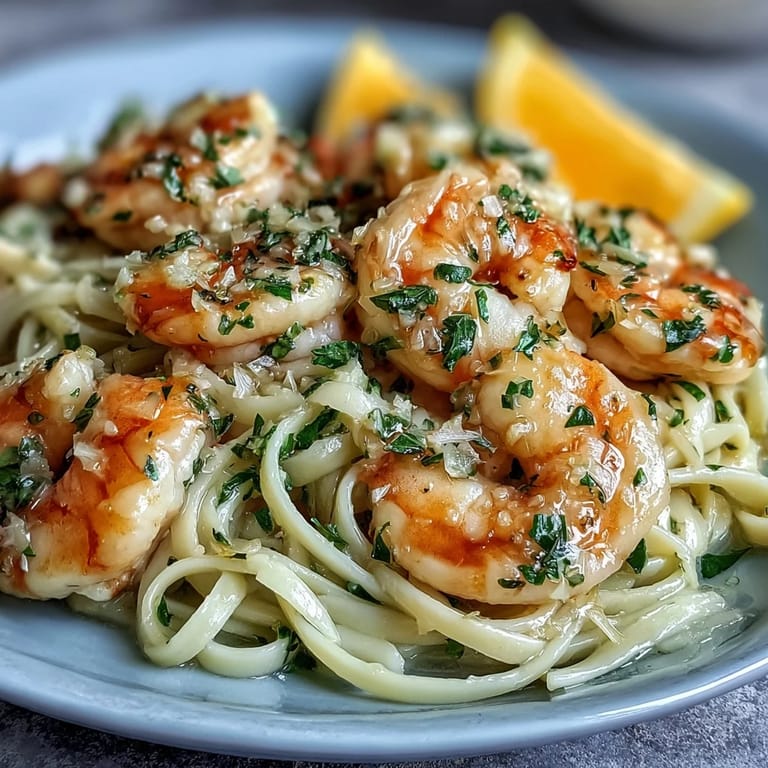
 The sound of butter hitting a hot pan always takes me straight back to a crowded weeknight kitchen, racing against hunger and impatience. I had shrimp thawing on the counter, a half-open bottle of white wine in the fridge, and exactly thirty minutes before everyone arrived. What came together that evening wasn't just dinner, it was proof that something this elegant doesn't need hours or fancy skills. The garlic perfumed the whole apartment, and by the time I twirled that first forkful of linguine, I knew this recipe would become my reliable show-off move.
I once made this for a friend who swore she didn't like seafood. She finished two bowls and asked for the recipe before she left. There's something about the way the shrimp soak up that garlicky, lemony butter that converts even the skeptics. We sat at my tiny kitchen table with mismatched napkins, and she kept saying it didn't taste like something I just threw together. But that's the magic of it, the ingredients do all the work if you just give them a little heat and time.
Ingredients
- Large shrimp, peeled and deveined: The star of the dish, choose shrimp that are firm and smell like the ocean, not fishy, and pat them very dry so they get a light sear instead of steaming.
- Linguine: Long, flat noodles are perfect for catching all that buttery sauce, and cooking them just to al dente means they'll finish beautifully when tossed in the pan.
- Unsalted butter: You need the richness and silky texture it brings, and using unsalted lets you control the seasoning without the sauce turning too salty.
- Extra-virgin olive oil: Keeps the butter from burning and adds a fruity depth that rounds out the garlic and wine.
- Garlic, finely minced: The backbone of the flavor, slice it too thick and it won't melt into the sauce, burn it and the whole dish turns bitter, so watch it closely.
- Red pepper flakes: Just a pinch adds warmth without real heat, but skip it entirely if you prefer things mild.
- Lemon zest and juice: Freshly squeezed lemon juice brightens everything, and the zest adds an aromatic pop that bottled juice just can't match.
- Fresh parsley, chopped: Adds color and a clean, grassy note that cuts through all the butter, don't skip it or use dried, it's not the same.
- Dry white wine: Something you'd actually drink, like Pinot Grigio or Sauvignon Blanc, creates the base of the sauce and adds acidity that balances the richness.
- Salt and freshly ground black pepper: Season at every stage, tasting as you go, because the pasta water, shrimp, and sauce all need their own attention.
Tired of Takeout? 🥡
Get 10 meals you can make faster than delivery arrives. Seriously.
One email. No spam. Unsubscribe anytime.
Instructions
- Boil the pasta:
- Bring a large pot of generously salted water to a rolling boil, then cook the linguine until it still has a slight bite, about 8 to 10 minutes. Reserve half a cup of that starchy pasta water before draining, it's your secret weapon for a silky sauce.
- Prep the shrimp:
- Lay the shrimp on paper towels and press gently to remove all moisture, then season both sides with a pinch of salt and pepper. Dry shrimp sear instead of steam, and that makes all the difference.
- Start the aromatics:
- Melt 2 tablespoons of butter with 2 tablespoons of olive oil in a large skillet over medium heat, then add the minced garlic and red pepper flakes. Let it sizzle for about a minute, stirring constantly, until the garlic smells sweet and toasty but hasn't taken on any color.
- Sear the shrimp:
- Arrange the shrimp in a single layer in the skillet and let them cook undisturbed for 1 to 2 minutes per side, just until they turn opaque and pink. Transfer them to a plate, they'll finish cooking later and you don't want them rubbery.
- Build the sauce:
- Pour the white wine and lemon juice into the same skillet, scraping up any browned bits stuck to the bottom. Let it bubble and reduce for 2 to 3 minutes, the alcohol will cook off and the flavors will concentrate.
- Finish with butter:
- Stir in the remaining 2 tablespoons of butter and 1 tablespoon of olive oil, swirling the pan until everything melts into a glossy, emulsified sauce. This is where the magic happens.
- Bring it together:
- Return the shrimp and any juices to the skillet, add the lemon zest and half the parsley, and toss everything to coat. The shrimp will warm through in seconds.
- Toss the pasta:
- Add the drained linguine directly to the skillet and toss with tongs, adding splashes of reserved pasta water as needed to loosen the sauce. Taste and adjust the salt and pepper, then serve immediately with the remaining parsley and lemon wedges on the side.
 Pin This
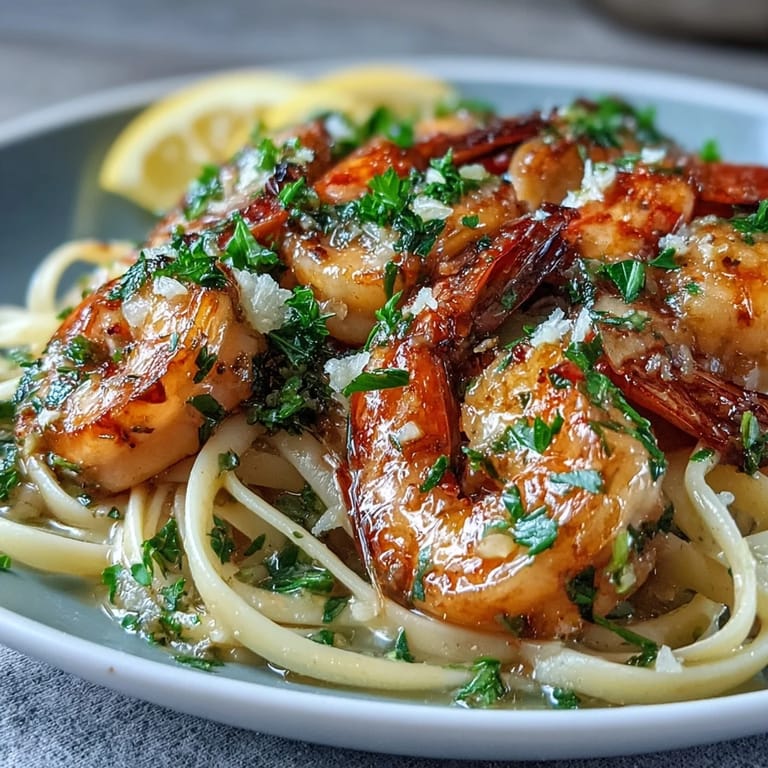
 There was one Sunday afternoon when I doubled this recipe for a last-minute gathering, and I watched people go quiet as they took their first bites. Someone said it tasted like vacation, and I realized that's exactly what it is, a little escape on a weeknight plate. The lemon, the garlic, the way the shrimp nestle into the pasta, it all adds up to something that feels special without any stress.
Choosing Your Shrimp
Fresh or frozen both work beautifully here, but if you're using frozen, let them thaw slowly in the fridge overnight instead of rushing them under hot water. Look for shrimp labeled wild-caught if you can, they tend to have better flavor and firmer texture. I've learned that bigger isn't always better, anything in the 16 to 20 count per pound range gives you a nice meaty bite without feeling like you're wrestling with your fork. If your shrimp still have tails on, you can leave them for presentation or remove them for easier eating, I usually pull them off because I don't like fishing them out mid-bite.
Wine in the Kitchen
The rule I follow is simple, if you wouldn't drink it, don't cook with it. You don't need an expensive bottle, but avoid anything labeled cooking wine because it's loaded with salt and tastes flat. A crisp, dry white like Pinot Grigio or Sauvignon Blanc adds the acidity and brightness this dish needs, and you can pour yourself a glass while you cook. If you absolutely don't have wine, a squeeze of extra lemon juice and a splash of chicken or vegetable broth will work in a pinch, though you'll lose some of that depth.
Making It Your Own
This recipe is forgiving and loves a little improvisation. I've stirred in halved cherry tomatoes with the garlic for bursts of sweetness, swapped the parsley for fresh basil when that's what I had, and even tossed in a handful of baby spinach at the end for color and greens. If you like things spicier, double the red pepper flakes or add a pinch of cayenne. Sometimes I'll grate a little Parmesan over the top even though it's not traditional, because it makes me happy.
- Try adding sun-dried tomatoes or capers for a briny, tangy twist.
- Swap linguine for spaghetti, fettuccine, or even gluten-free pasta without changing a thing.
- Finish with a drizzle of good olive oil and a crack of flaky sea salt just before serving.
 Pin This
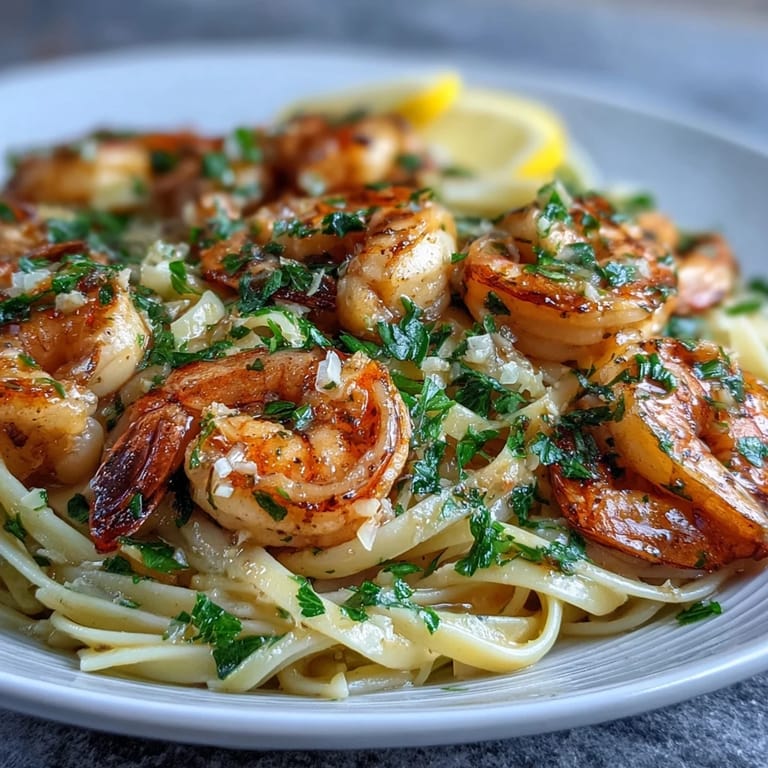
 This dish has pulled me out of more weeknight ruts than I can count, and it never stops feeling like a treat. I hope it becomes one of those recipes you reach for when you want something quick, bright, and just a little bit indulgent.
Recipe Questions & Answers
- → Can I use frozen shrimp?
Yes, thaw frozen shrimp completely in the refrigerator overnight or under cold running water. Pat them very dry before cooking to ensure proper browning.
- → What type of white wine works best?
Use a dry white wine like Pinot Grigio, Sauvignon Blanc, or unoaked Chardonnay. Avoid sweet wines as they'll make the sauce overly sugary.
- → How do I know when shrimp are cooked?
Shrimp are done when they turn pink and opaque, forming a C-shape. Overcooked shrimp curl into tight O-shapes and become rubbery, so watch carefully.
- → Can I make this ahead of time?
This dish is best served immediately. The shrimp can become tough when reheated, and pasta absorbs sauce during storage, becoming dry and sticky.
- → What can I substitute for white wine?
Use chicken or seafood broth with a splash of white wine vinegar or extra lemon juice. The acidity is important for balancing the richness of the butter.
- → Why reserve pasta water?
Pasta water contains starch that helps create a silky, clingy sauce. Add it gradually to achieve the perfect consistency that coats the linguine beautifully.