 Pin This
 The pot was bubbling quietly on the stove when my friend leaned over and asked why the sauce looked so pale. I explained I'd swapped red wine for rosé, and she looked skeptical until she tasted it. That first spoonful changed everything: delicate, creamy, with just enough richness to coat the chicken without feeling heavy. We ended up finishing the whole pot that night, mopping up every last bit of sauce with bread. It's been my go-to ever since when I want something special but not too serious.
I made this for my mother's birthday once, plating it carefully with tiny potatoes and a sprinkle of parsley. She took one bite and said it reminded her of a bistro in Paris she'd visited decades ago. I'd never been to that bistro, but somehow the dish had captured something she remembered. We sat there longer than usual, talking about trips she wanted to take and meals that had stuck with her over the years.
Ingredients
- Bone-in, skin-on chicken pieces: Thighs and drumsticks stay juicy during the long braise and add body to the sauce as they cook.
- Dry rosé wine: Choose something you'd actually drink, not cooking wine; the flavor concentrates and becomes the soul of the dish.
- Olive oil: A good glug helps the chicken skin crisp up beautifully before it braises.
- Onion, garlic, carrots: These form the aromatic base and sweeten as they soften into the sauce.
- Cremini or button mushrooms: Quartered mushrooms soak up the wine and release their earthy flavor into every bite.
- Leek: The white and light green parts add a mild, sweet onion note that feels very French.
- Tomato paste: Just a spoonful deepens the color and adds a subtle tangy richness.
- All-purpose flour: Optional, but it helps thicken the sauce into something silky and spoonable.
- Heavy cream: Stirred in at the end, it turns the braising liquid into a glossy, luxurious sauce.
- Bay leaf, thyme, rosemary: Classic herbs that perfume the pot and make your kitchen smell like a countryside kitchen.
- Fresh parsley: A bright green finish that cuts through the richness right before serving.
Tired of Takeout? 🥡
Get 10 meals you can make faster than delivery arrives. Seriously.
One email. No spam. Unsubscribe anytime.
Instructions
- Season and prep the chicken:
- Pat each piece completely dry with paper towels so the skin can brown properly, then season generously with salt and pepper. Moisture is the enemy of a good sear.
- Brown the chicken in batches:
- Heat olive oil in your Dutch oven until it shimmers, then lay the chicken skin-side down without crowding the pot. Let it sizzle undisturbed for about 5 minutes until the skin releases easily and turns golden brown, then flip and brown the other side before transferring to a plate.
- Sauté the aromatics:
- In the same pot with all those lovely browned bits, add the onions, carrots, and leek, stirring occasionally until they soften and start to smell sweet, about 4 to 5 minutes. Toss in the mushrooms and let them cook down for another 3 minutes until they release their moisture.
- Build the flavor base:
- Stir in the garlic and let it cook just until fragrant, about a minute, then add the tomato paste and cook it for another minute to deepen its color. If you're using flour, sprinkle it over the vegetables now and stir everything together so it coats evenly.
- Deglaze with rosé:
- Pour in the wine and use a wooden spoon to scrape up all the caramelized bits stuck to the bottom of the pot. Nestle the browned chicken back in, add the bay leaf, thyme, and rosemary, and let everything come to a gentle simmer.
- Braise low and slow:
- Cover the pot, lower the heat, and let it bubble softly for 45 minutes until the chicken is so tender it nearly falls off the bone. Resist the urge to peek too often or you'll lose precious steam.
- Finish with cream:
- Fish out the herb sprigs and bay leaf, then stir in the heavy cream and let the sauce simmer uncovered for 5 to 10 minutes until it thickens slightly and turns glossy. Taste and adjust the seasoning with more salt and pepper if needed.
- Garnish and serve:
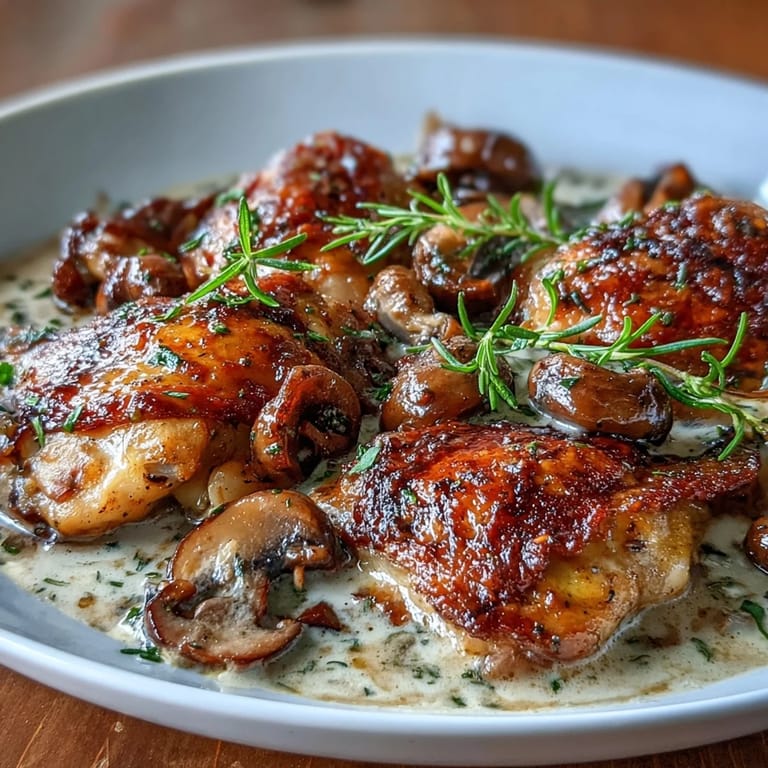
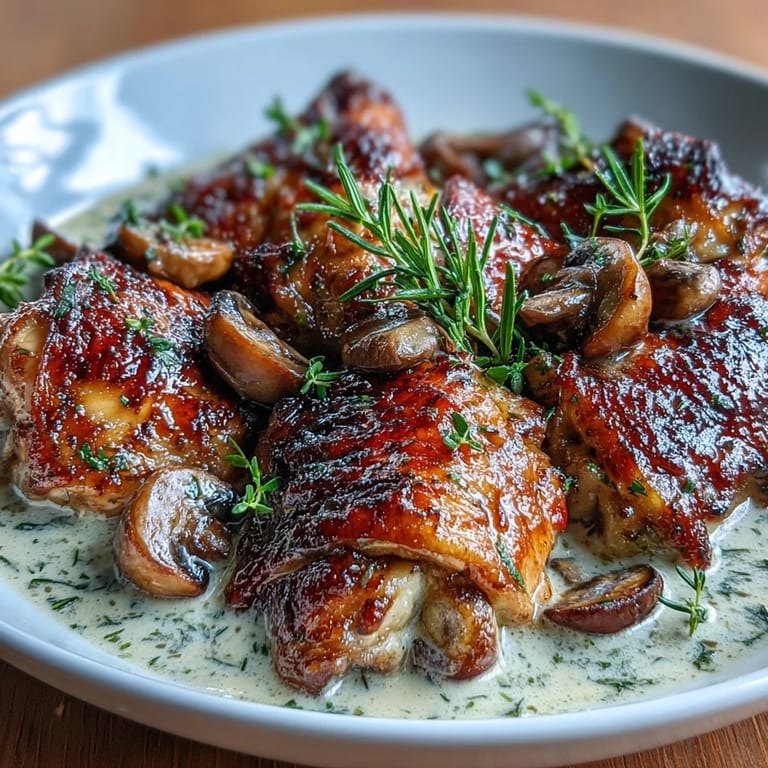
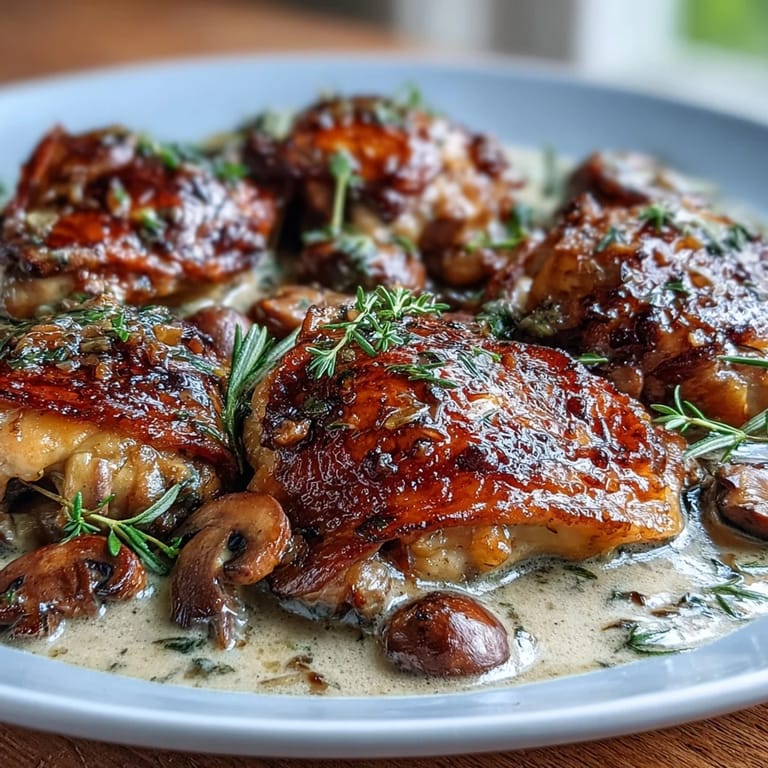
- Spoon the chicken and sauce into shallow bowls, then scatter fresh parsley over the top for a pop of color and freshness. Serve it hot with something to soak up all that beautiful sauce.
 Pin This
 One Sunday, I doubled the recipe and brought it to a potluck where everyone else had made salads and sandwiches. The pot was empty within twenty minutes, and three people asked for the recipe before I'd even finished my own plate. It was the first time I realized that a dish this simple could make people feel cared for, like you'd gone to real trouble even though most of the work was just letting time do its thing.
What to Serve It With
I love spooning this over buttered new potatoes that have been boiled until just tender, their skins still on. Crusty bread works beautifully too, especially if you tear it into rough chunks and let everyone dip straight into the pot. On nights when I want something lighter, I serve it with plain rice or even creamy polenta that soaks up the sauce like a dream.
How to Make It Your Own
Sometimes I add a splash of cognac or brandy after browning the chicken, letting it sizzle and flambe for a moment before adding the wine. If you want a lighter version, swap half the rosé for good chicken stock and use crème fraîche instead of heavy cream for a tangy finish. I've also stirred in a handful of frozen pearl onions during the last 15 minutes when I want a bit more texture and sweetness.
Storing and Reheating
This dish keeps beautifully in the fridge for up to three days, and honestly, it tastes even better after the flavors have had time to settle and mingle. I store it in a covered container and reheat it gently on the stovetop over low heat, adding a splash of water or stock if the sauce has thickened too much. You can also freeze it for up to two months, though the cream may separate slightly when thawed, so just stir it well as it reheats.
- Let it cool completely before refrigerating to avoid condensation that can water down the sauce.
- Reheat individual portions in the microwave if you're in a hurry, but stovetop gives you better control.
- Garnish with fresh parsley right before serving, not before storing, so it stays bright and green.
 Pin This
 Every time I make this, I'm reminded that the best meals don't have to be complicated, just made with a little attention and good ingredients. It's the kind of dish that turns an ordinary weeknight into something worth remembering.
Recipe Questions & Answers
- → Can I use chicken breasts instead of thighs and drumsticks?
Yes, but bone-in, skin-on thighs and drumsticks are recommended because they stay more tender during the long braising process and add richer flavor to the sauce. If using breasts, reduce cooking time to prevent drying out.
- → What type of rosé wine works best for this dish?
Use a dry rosé wine with good acidity. Avoid sweet or fruity rosés. A Provence-style rosé or dry Spanish rosado works beautifully. Choose something you would enjoy drinking, as the wine's flavor concentrates during cooking.
- → Can I make this dish ahead of time?
Absolutely. This dish actually improves when made a day ahead as the flavors meld together. Cool completely, refrigerate, then gently reheat on the stovetop before serving. You may need to add a splash of stock or wine if the sauce has thickened too much.
- → How can I make the sauce thicker without using flour?
Simmer the sauce uncovered for a longer period to reduce it naturally. Alternatively, remove the chicken once tender and reduce the sauce over medium-high heat until it reaches your desired consistency before adding the cream.
- → What are the best side dishes to serve with coq au vin rosé?
Traditional accompaniments include buttered egg noodles, creamy mashed potatoes, or crusty French bread to soak up the sauce. Roasted root vegetables or a simple green salad also complement the rich, wine-infused flavors beautifully.
- → Can I substitute the heavy cream with a lighter option?
Yes, you can use half-and-half or crème fraîche for a lighter version. Greek yogurt stirred in at the end (off heat) also works, though it will give a tangier flavor profile. Avoid boiling after adding yogurt to prevent curdling.