 Pin This
 My neighbor Sarah showed up one April morning with a basket of dandelion petals she'd foraged from her yard, insisting I had to try them in something sweet. I was skeptical at first—weren't dandelions weeds?—but she described the delicate floral honey notes, and something clicked. That afternoon, I decided to bake scones, those tender British treats I'd only ever made plain. The moment those golden scones emerged from the oven, fragrant and puffed, studded with those cheerful yellow petals, I understood exactly what she meant.
Last month, I made these for my book club's spring gathering, nervous that dandelion flowers might seem too quirky or bitter. One guest—the pickiest eater in the group—took a bite with clotted cream and went completely quiet, then asked for the recipe before finishing her scone. That silence said everything. Watching someone genuinely surprised by food you made from scratch feels like a small kind of magic.
Ingredients
- All-purpose flour (2 cups): The foundation—measure it by spooning and leveling, never scooping straight from the bag, or you'll end up with dense scones instead of tender ones.
- Granulated sugar (1/4 cup): Just enough sweetness to complement the honey and floral notes without overwhelming them.
- Baking powder (1 tbsp): This gives your scones their signature lift and airy structure; don't skip it or substitute baking soda.
- Fine sea salt (1/2 tsp): A tiny pinch that makes every other flavor pop, especially the delicate dandelion sweetness.
- Unsalted butter, cold and cubed (1/2 cup): Cold is non-negotiable—warm butter destroys the flaky layers you're after, so take it straight from the fridge.
- Whole milk, cold (2/3 cup): The cold temperature matters; it keeps the butter from melting too early and disrupting your texture.
- Dandelion petals, fresh (2 tbsp in dough, 2 tbsp for garnish): Only use the bright yellow parts of fully open flowers foraged from pesticide-free areas; green bits turn bitter and will ruin the delicate flavor.
- Honey (2 tbsp in dough, 1 tbsp for drizzling): Raw honey brings floral complexity, though any good quality honey works beautifully here.
- Large egg (1): This binds the dough and helps create that golden, slightly glossy finish you see on bakery scones.
- Clotted cream (to serve): The crown jewel—rich, tangy, and absolutely essential for the full experience, though whipped cream or mascarpone can stand in if necessary.
Tired of Takeout? 🥡
Get 10 meals you can make faster than delivery arrives. Seriously.
One email. No spam. Unsubscribe anytime.
Instructions
- Heat your oven and prep:
- Set your oven to 400°F and line a baking sheet with parchment paper while it preheats, so you're ready the moment your dough is shaped.
- Combine the dry ingredients:
- Whisk together flour, sugar, baking powder, and salt in a large bowl—this distributes the leavening evenly and prevents lumps in your final scones.
- Work in the cold butter:
- Add cubed cold butter and use a pastry cutter, two forks, or your fingertips to break it into pea-sized pieces, creating that coarse crumb texture. The cold butter creates steam pockets during baking, giving you those beautiful flaky layers.
- Mix the wet ingredients:
- Whisk milk, honey, egg, and dandelion petals together in a small bowl until the petals are evenly distributed and the honey is fully dissolved.
- Bring it together gently:
- Pour the wet mixture into the dry ingredients and stir with a fork until just barely combined—you'll have shaggy, slightly lumpy dough, and that's exactly right. Overmixing develops gluten and makes scones tough instead of tender.
- Shape the dough:
- Turn the dough onto a lightly floured surface and gently pat it into a 1-inch-thick round disc with your hands. Using a sharp knife, cut the disc into 8 equal wedges like you're slicing a pie, then transfer them to your prepared baking sheet.
- Bake until golden:
- Bake for 16 to 18 minutes until the scones are puffed and deep golden brown on top—they'll smell incredible about halfway through. Don't underbake; you want that sturdy exterior with a tender crumb inside.
- Finish and serve:
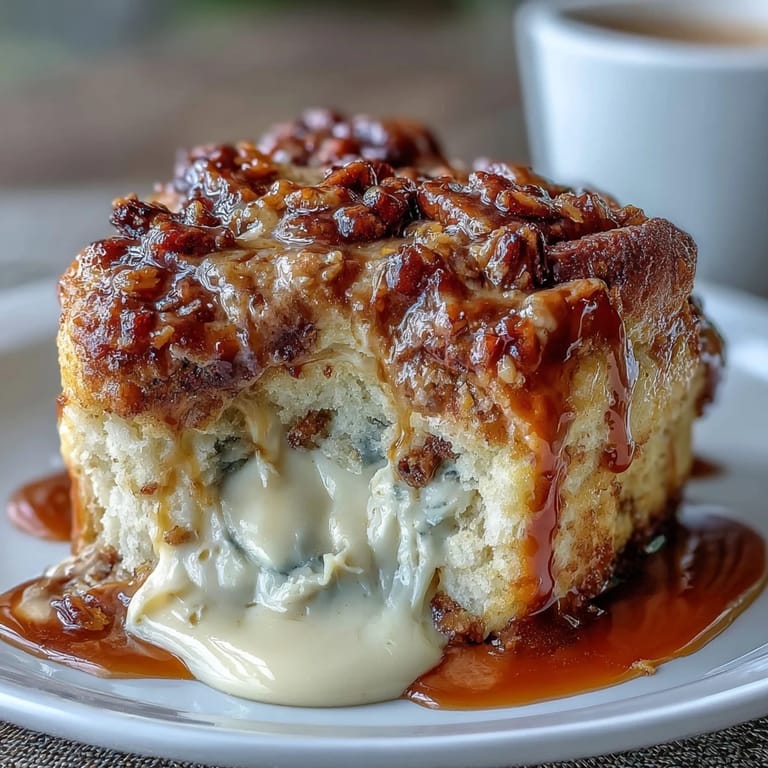
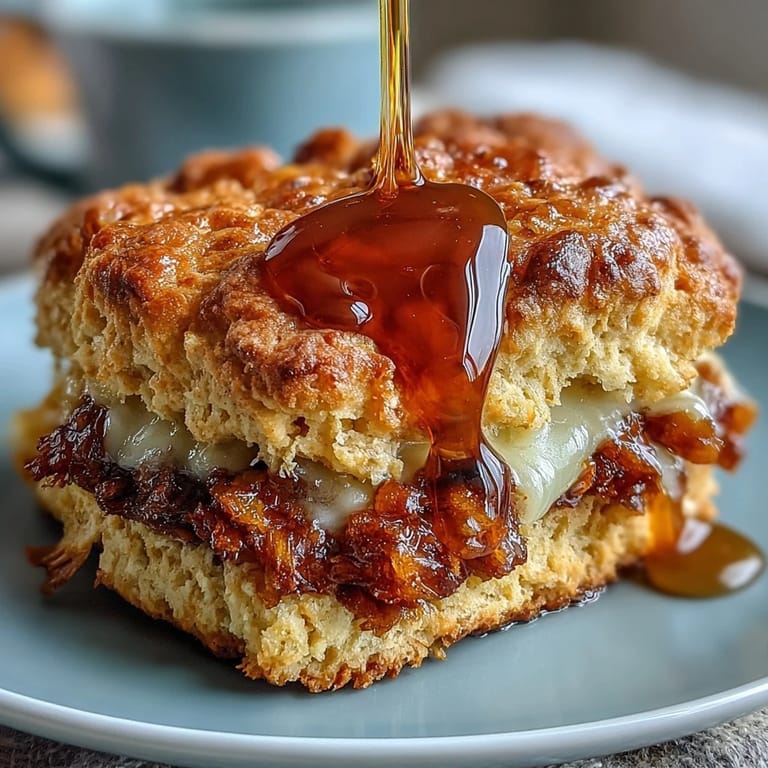
- While scones are still warm, drizzle with honey and scatter fresh dandelion petals over the top for visual beauty and a hint of floral flavor. Serve immediately with generous dollops of clotted cream.
 Pin This
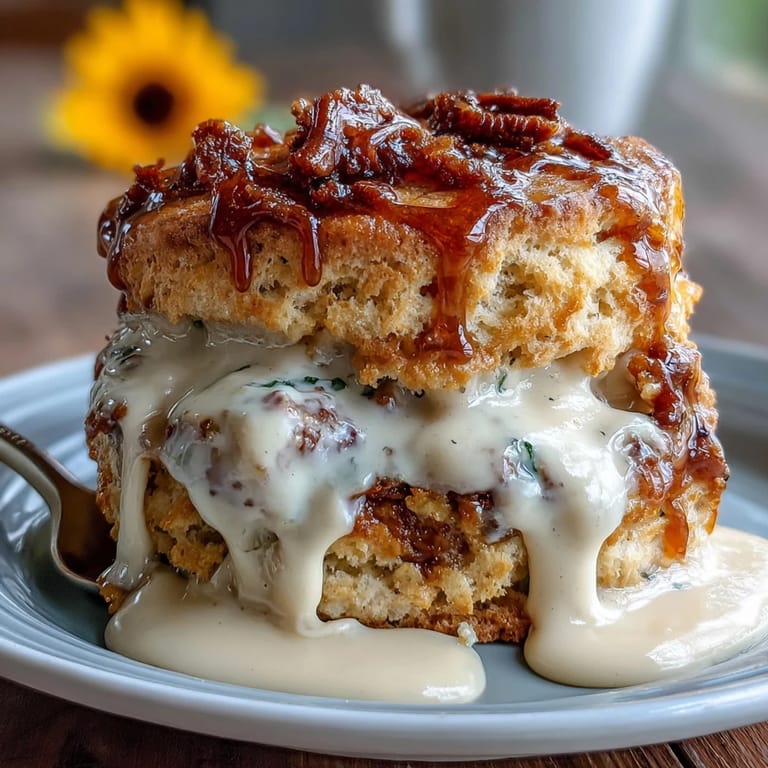
 There's a window of time—maybe two hours after these scones come out of the oven—when they're still warm, the honey glistens, and the clotted cream melts into every crevice. That's when they transform from a baked good into an experience, something that makes a regular morning feel like occasion.
Finding and Preparing Fresh Dandelion Petals
The difference between using sad, wilted dandelions and fresh, vibrant ones is the difference between a pretty scone and one that tastes like spring. Look for flowers that are fully open, bright yellow, and still dewy if possible. Pick them in the morning before the sun gets hot, and gently separate just the yellow petals from the green base—this takes maybe five minutes for all the petals you need. I keep a small glass of water nearby while I work, placing finished petals in it to keep them fresh and crisp.
The Science of Cold Butter and Tender Crumbs
Scones live and die by temperature control, which sounds dramatic but is genuinely true. When you cut cold butter into flour, those little butter chunks stay solid as they go into the oven, creating steam pockets that make the scone rise and flake. If your butter is soft or room temperature, it blends into the flour too early, and you end up with a dense, cake-like crumb instead. I learned this the hard way by leaving butter on the counter while I chatted on the phone—those scones were delicious but heavy, more like biscuits than the light, tender texture you're after.
Making This Brunch Moment Special
These scones deserve more than a casual Tuesday breakfast—they're the kind of thing that makes people feel celebrated without you having to fuss for hours. Serve them with strong English breakfast tea or a light sparkling wine, and watch how quickly a simple brunch becomes something people remember. A few extra touches elevate the whole experience without adding real work.
- Set out the clotted cream in a small dish with a spoon so people can help themselves generously, which they absolutely will.
- Keep the scones warm in a linen napkin-lined basket so they stay soft and steamy right up until serving.
- Don't apologize for the dandelions—embrace them as the beautiful, intentional choice they are.
 Pin This
 Baking these scones has become my quiet ritual on spring mornings, a way of saying yes to something delicate and seasonal before the weather gets warm and heavy. They're proof that the most memorable food often comes from the simplest recipes and the most genuine moments around the table.
Recipe Questions & Answers
- → What are dandelion petals used for?
Dandelion petals add a unique floral aroma and subtle sweetness, enhancing both flavor and appearance.
- → Can I substitute clotted cream?
Yes, whipped cream or mascarpone can be used as alternatives to clotted cream for a similar creamy texture.
- → How do I ensure tender scones?
Keep the butter cold and avoid overmixing the dough to maintain a light, flaky texture.
- → What is the best way to serve these scones?
Serve warm, drizzled with honey and sprinkled with extra dandelion petals, accompanied by clotted cream.
- → Are these scones suitable for vegetarians?
Yes, they contain no meat and are suitable for vegetarian diets, using dairy and egg.